

Simple Swaps for a Chemical-Free Kitchen
Today’s theme: Simple Swaps for a Chemical-Free Kitchen. Welcome to a kinder, cleaner way to cook, clean, and store without harsh chemicals. We will trade complicated products for practical, affordable habits that still deliver sparkle and flavor. Subscribe for weekly swaps and share your best ideas with us.
Save orange, lemon, or grapefruit peels in a jar, cover with white vinegar, and let it infuse two weeks. Strain, dilute one to one with water, and add a splash of unscented castile soap. Avoid natural stone, test first, and tell us how your stovetop shines.
Clean Smarter with Food-Safe Recipes
Cookware Upgrades without the Toxins
Get stainless steel to release food by preheating until a water droplet skitters, then add oil and reduce heat slightly. Let proteins develop a crust before flipping. Deglaze stuck bits into a quick pan sauce. Practice this technique for eggs, fish, and tofu that slide instead of tear.
Cookware Upgrades without the Toxins
Build a slick, resilient surface by seasoning cast iron in ultra-thin coats of high-heat oil, baked until polymerized. After cooking, wipe, warm, and oil lightly. Soap is optional and safe in moderation. With patience, your skillet becomes naturally nonstick, durable, and proudly heirloom-worthy for decades.
Switch to Glass and Silicone Step by Step
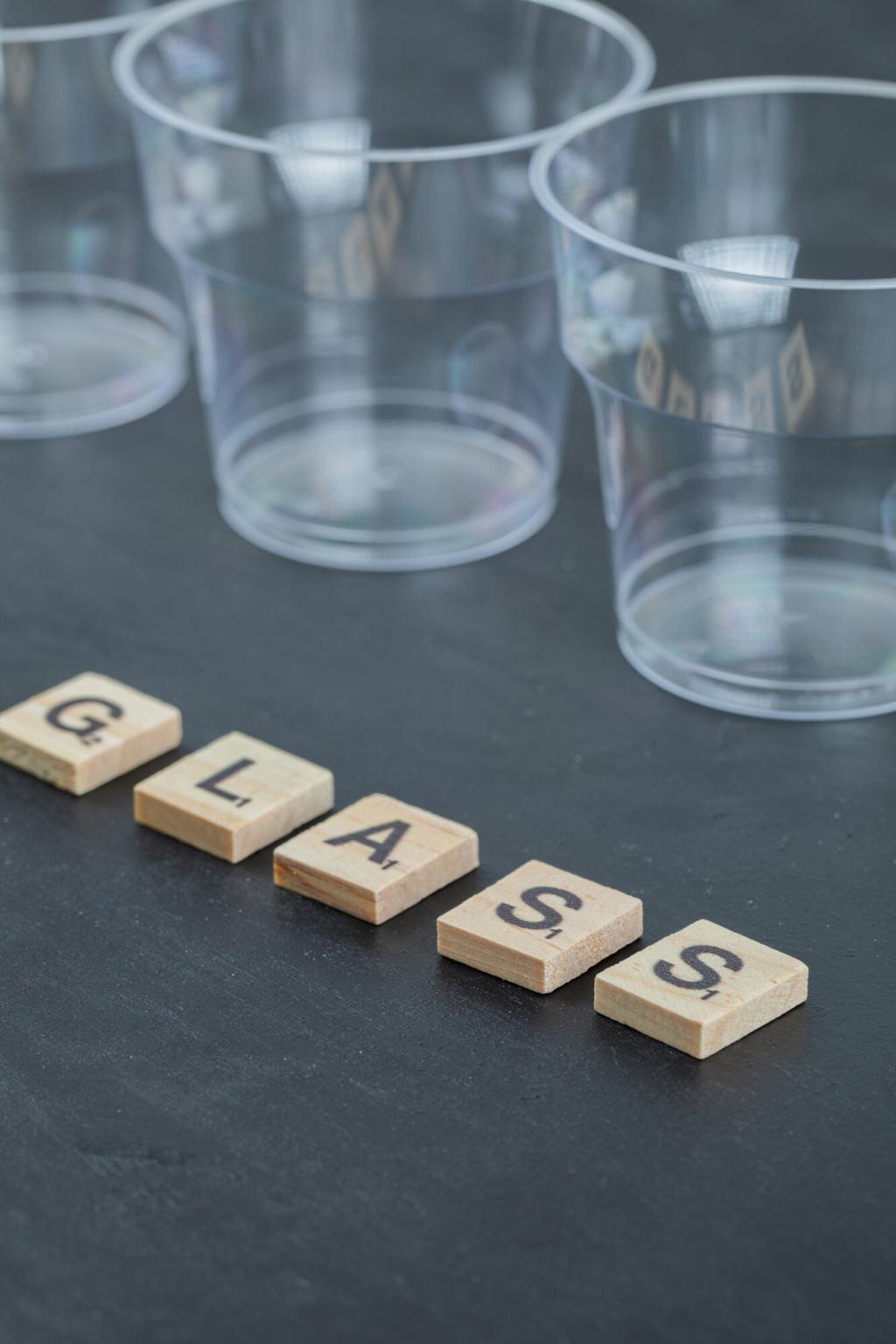
Start by converting the containers you touch daily: lunch boxes, leftover jars, and freezer portions. Choose tempered glass for oven-to-fridge versatility, and silicone bags for space-saving freezing. As plastic wears out, recycle where possible and replace strategically, one shelf at a time, without blowing your budget.
Wrap Smarter with Beeswax and Cloth
Beeswax wraps mold gently around bowls and sandwiches using your hands’ warmth. Wash in cool water with mild soap, air-dry, and keep away from heat sources. Do not use for raw meat. When the coating thins, refresh with grated wax and an oven sheet for another season’s service.
Label, Rotate, and Reuse Like a Pro
Simple masking tape and a bold date prevent science projects in the back of the fridge. Practice first-in, first-out rotation, and dedicate a “use soon” bin. Group sauces in lazy Susans and decant grains into clear jars. Share your smartest labeling hacks to inspire our organized, eco-minded readers.

Fresh Produce, Fewer Residues
For sturdy produce, dissolve a teaspoon of baking soda per two cups of cool water and soak five to fifteen minutes, then rinse. Salt water helps sand fall from leafy greens. Diluted vinegar can reduce microbes on berries, but keep soak times short to protect delicate textures and flavors.
Air You Can Breathe While You Cook
Turn on the hood before preheating, and use the back burners to help capture fumes. Vent outdoors when possible, or change carbon filters on recirculating models regularly. Degrease metal baffles in hot, soapy water. Open a window for cross-breeze, and keep candles and aerosols out of cooking zones.

Air You Can Breathe While You Cook
Fragrance does not equal clean. Avoid aerosols, plug-ins, and scented sprays, which only mask odors. Instead, simmer citrus peels with cinnamon sticks and cloves for a cozy aroma, watched carefully. Sensitive pets and people may prefer plain ventilation. Share your favorite gentle scent or ventilation trick with us.
Choose Stable, Quality Oils
Match oils to heat. Use avocado, refined olive, or high-oleic sunflower for searing, and extra-virgin olive for finishing. Store in dark glass, away from the stove, and buy smaller bottles you will finish before oxidation. If an oil smells like crayons, it is rancid—compost and replace.
DIY Flavor Without Additives
Blend your own spice mixes to skip anti-caking agents and unnecessary sugar. Try a base of sea salt, garlic, smoked paprika, cumin, and thyme, then tweak for cuisine. Toast whole spices for deeper flavor, grind small batches, and label with dates. Share your signature blend in the comments.
Dishwashing, Tools, and Daily Habits That Add Up
Pick dish soaps that are fragrance-free, dye-free, and labeled readily biodegradable. Use the hottest comfortable water, wear gloves if needed, and rinse thoroughly to prevent residue on plates and baby bottles. Air-dry on a clean rack for fewer microbes. Comment with your favorite gentle brand discovery.
Swap funky sponges for Swedish dishcloths, loofah, or silicone scrubbers that dry fast. Disinfect by boiling a few minutes or microwaving a fully wet cloth for one minute, watching carefully. Replace frequently to avoid biofilm buildup. Tell us how many dishcloths you rotate to keep sinks fresh.
Keep wooden boards and utensils out of soaking water. Clean with mild soap, rinse, and stand to dry. Disinfect cutting boards with three percent hydrogen peroxide, then recondition monthly with food-safe mineral oil and a beeswax balm. Use separate boards for proteins and produce to reduce cross-contamination.